Trimming & Pruning
Every cut has a reason.
Thoughtful pruning that strengthens structure, lets light into your garden and keeps limbs clear of roofs and lines, without topping or lion-tailing.
What this service is really about.
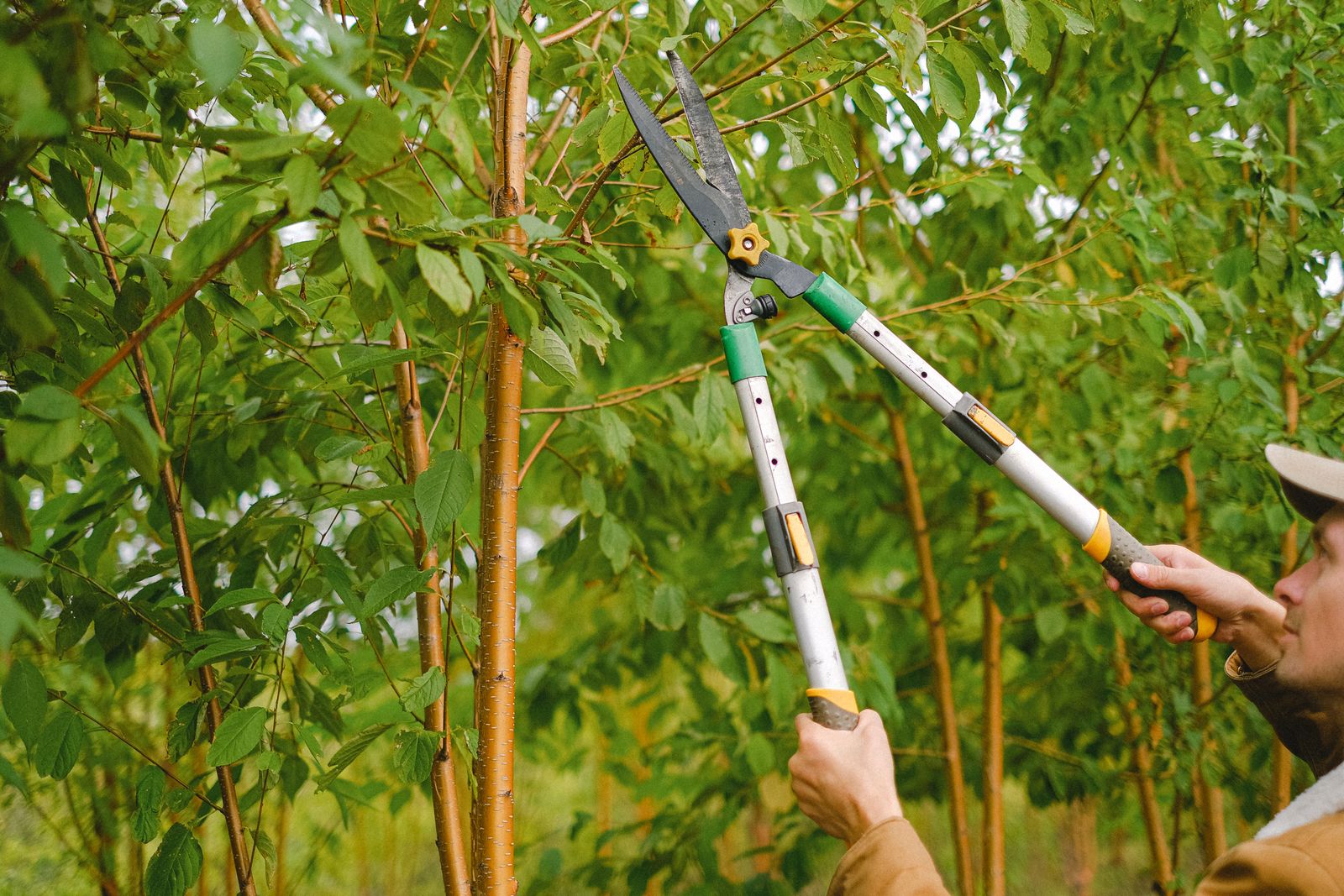
Good pruning is mostly restraint. We remove the smallest amount of live wood needed to reach a clear goal: better structure on a young oak, clearance over a roofline, or reduced wind load on a mature tulip poplar that leans toward the house.
Our climbers work to ANSI A300 pruning standards and never use climbing spikes on trees that will stay standing. Each cut is made just outside the branch collar so the tree can seal the wound on its own, and we never remove more than about 20 percent of a mature crown in one season.
Before we start, your arborist walks the site with you, flags the limbs to be removed and writes the goal of the work on your estimate, so you know exactly what the tree will look like when we pack up.
How the work unfolds.
The same careful sequence on every job, whether it is one dogwood or a crane day.
Walk the tree
We look at structure, decay, targets below and the goal you have in mind, then mark the limbs.
Set the plan in writing
Your estimate lists each pruning type, the approximate percentage removed and cleanup details.
Climb and cut
Climbers use ropes and saddles, rigging heavier limbs down to protect lawns and beds.
Clean and review
We chip debris, blow off surfaces and walk the finished crown with you before leaving.
Why homeowners choose it.
"They explained every cut before they made it. Our maple looks natural, not butchered, and the yard was cleaner than before they arrived."
Stronger structure
Reducing codominant stems early prevents the splits we see after every ice storm.
More light, healthier lawn
Crown thinning lets dappled light reach turf and beds without shocking the tree.
Fewer storm surprises
Dead wood and weak attachments come out on your schedule, not the storm's.
What affects the price.
Starting at $385. Your written estimate spells out every line, and there is never a charge for the estimate itself.
| Factor | What it means | Effect |
|---|---|---|
| Tree height and spread | A 30 ft dogwood versus an 85 ft white oak | Largest single factor |
| Access | Bucket truck reach versus a full rope climb over a fence | Adds 15 to 40 percent |
| Targets below | Roofs, greenhouses, power drops that require rigging | Adds rigging time |
| Wood handling | Chipped on site, left in rounds, or hauled away | Minor |
Trimming & Pruning questions.
Still unsure? Call (828) 555-0129 and ask for an arborist.
Late winter dormancy is ideal for most species because wounds close quickly in spring and pests are inactive. Dead wood and hazard limbs can be removed any time of year. Oaks should not be pruned from April through July to reduce oak wilt risk.
No. Topping creates weak, fast-growing sprouts and decay at every cut. If a tree is too big for its space, we recommend crown reduction to proper lateral branches, or an honest conversation about replacement.
Usually 10 to 20 percent of live foliage on a mature tree. Your estimate lists the approximate amount so there are no surprises.
Never on a tree that is staying. Spikes wound the bark with every step. We only use them on trees that are being removed.
Often paired with.
Cabling & Bracing
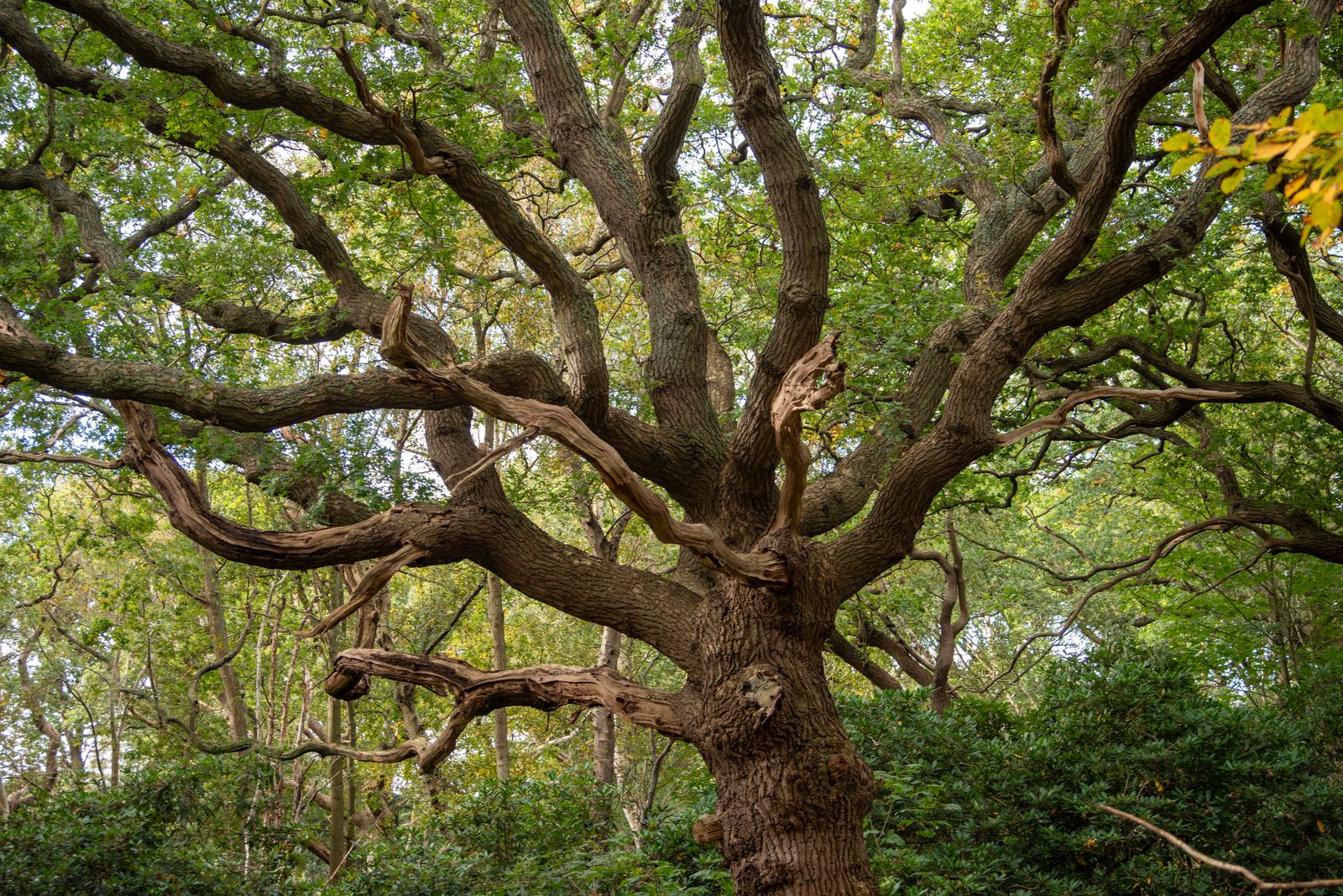
Dynamic and static support systems that help heritage trees with weak unions stand for decades.
Learn more
Arborist Assessment
Written tree risk assessments, construction protection plans and pre-purchase reports.
Learn more
Plant Health Care
Soil care, hemlock woolly adelgid treatment and targeted disease management for long-lived trees.
Learn more