Plant Health Care
Treat the cause, not the symptom.
Seasonal programs that build soil, protect hemlocks from woolly adelgid and treat only when monitoring shows a real problem.
What this service is really about.
Most tree decline in town starts underground: compacted clay, buried root flares and mulch volcanoes. Our plant health care programs begin with soil testing and root collar inspection before any product is applied.
For Eastern hemlocks, we use targeted systemic treatments against hemlock woolly adelgid applied as soil or bark sprays that keep product out of streams. We follow integrated pest management principles, which means monitoring first and treating only what needs treatment.
How the work unfolds.
The same careful sequence on every job, whether it is one dogwood or a crane day.
Diagnose
We identify pests, disease or soil problems with samples when needed.
Build a program
A seasonal plan lists each visit, product and purpose.
Treat carefully
Applications are targeted, timed and kept away from waterways.
Monitor and adjust
We track results each season and stop what is not needed.
Why homeowners choose it.
"Our creek hemlocks were graying out. Two seasons after treatment they are pushing new growth again. Worth every penny."
Saves hemlocks
Treated hemlocks can recover canopy density within two to three seasons.
Healthier soil
Loosened, amended soil supports stronger roots and drought tolerance.
Fewer chemicals
Monitoring first means treatments only where they are needed.
What affects the price.
Starting at $145 per visit. Your written estimate spells out every line, and there is never a charge for the estimate itself.
| Factor | What it means | Effect |
|---|---|---|
| Tree size | Dosage is based on trunk diameter | Largest single factor |
| Program length | Single treatment or seasonal plan | Moderate |
| Soil work | Air spade and amendments | Per tree |
Plant Health Care questions.
Still unsure? Call (828) 555-0129 and ask for an arborist.
We use bark spray or soil injection methods with buffer distances from water and follow product labels and NC Department of Agriculture guidance.
Systemic treatments typically protect for four to seven years depending on product. We monitor annually.
Often paired with.
Arborist Assessment
Written tree risk assessments, construction protection plans and pre-purchase reports.
Learn more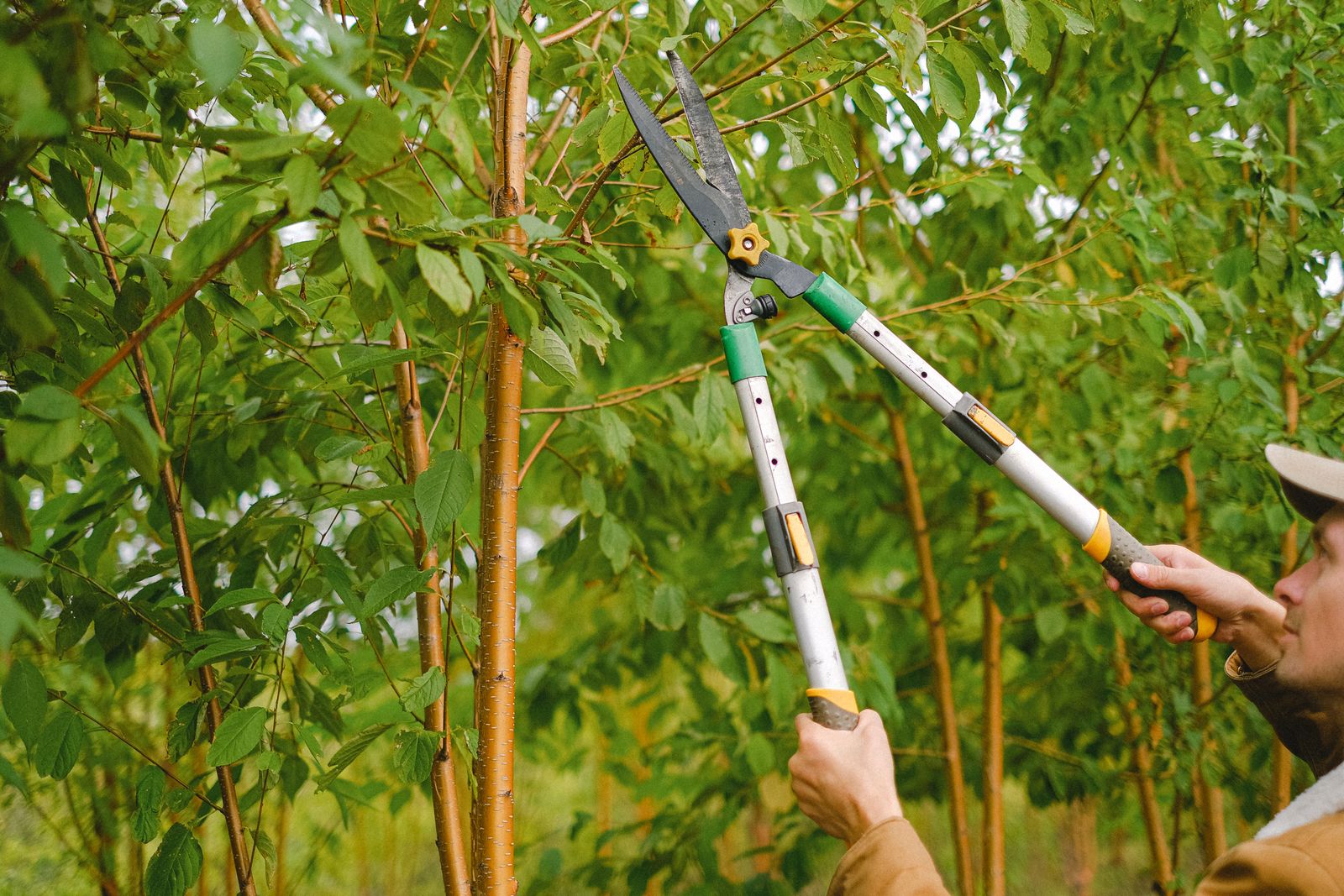
Trimming & Pruning
Structural and crown pruning to ANSI A300 standards, cut by ISA certified climbers.
Learn more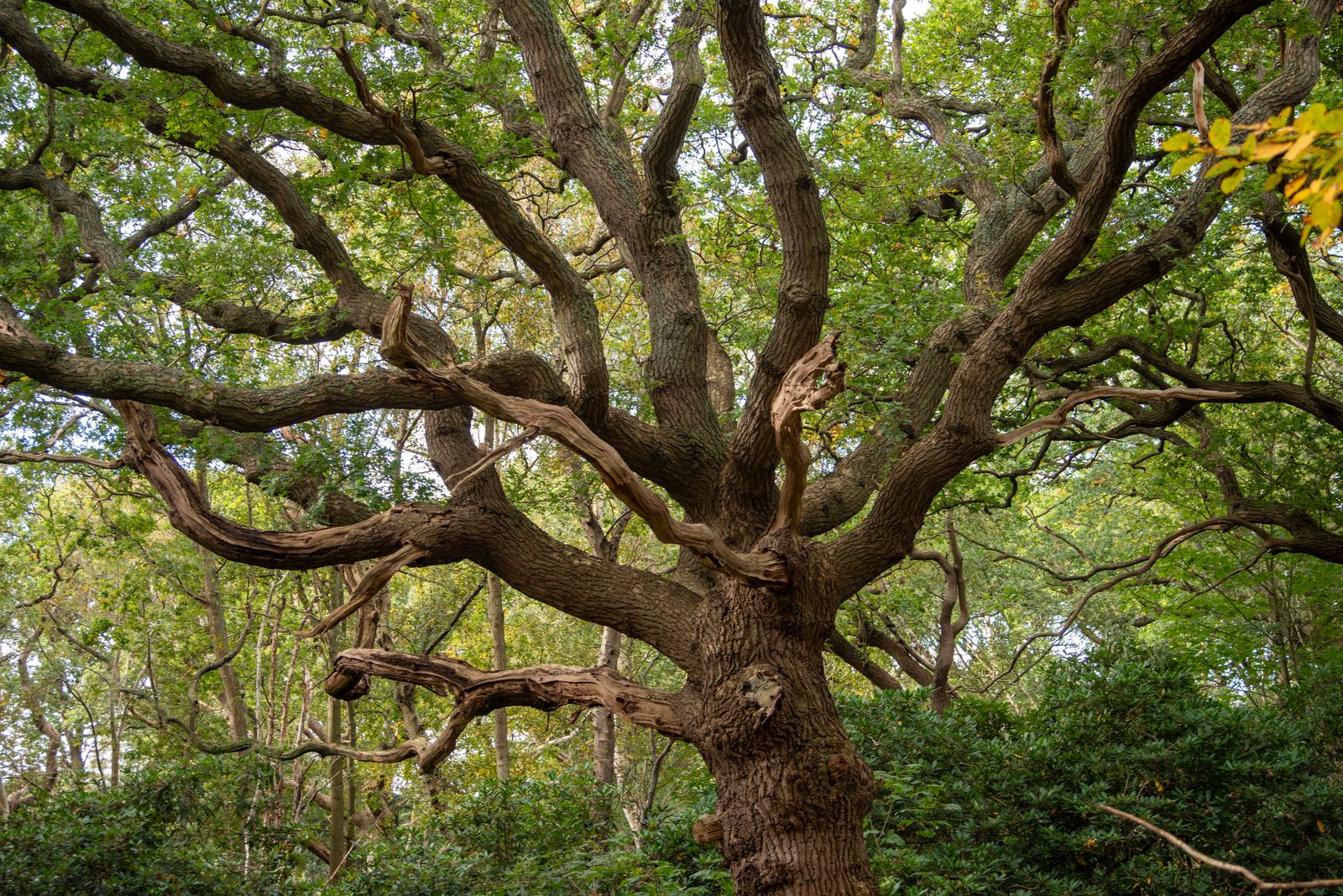
Cabling & Bracing
Dynamic and static support systems that help heritage trees with weak unions stand for decades.
Learn more