Can your hemlock still be saved? A field guide to woolly adelgid
How to spot hemlock woolly adelgid, when treatment works, and what it costs to protect the trees that shade our mountain creeks.
Ines CarvalhoPublished August 28, 2026
Why hemlocks matter here
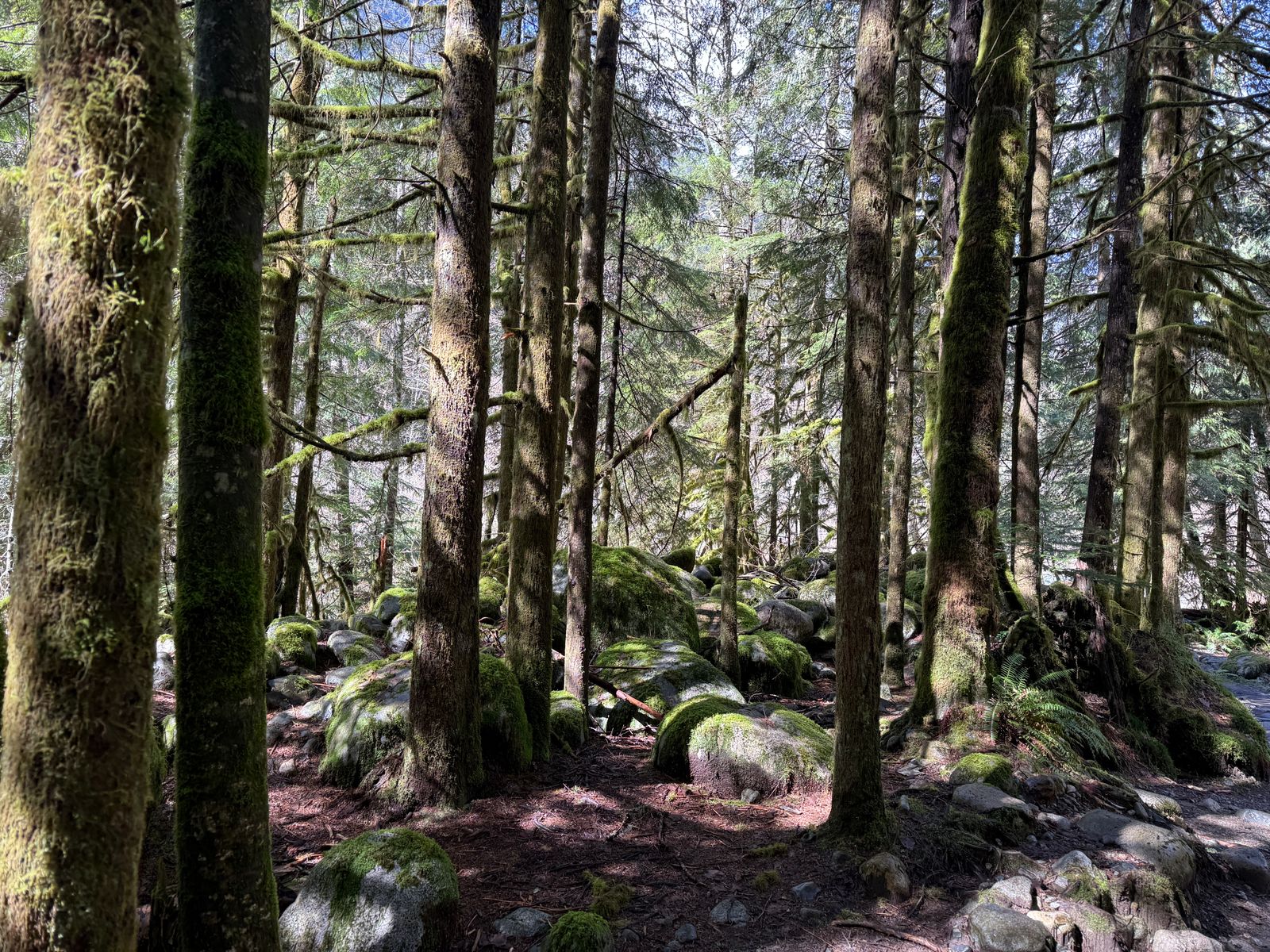
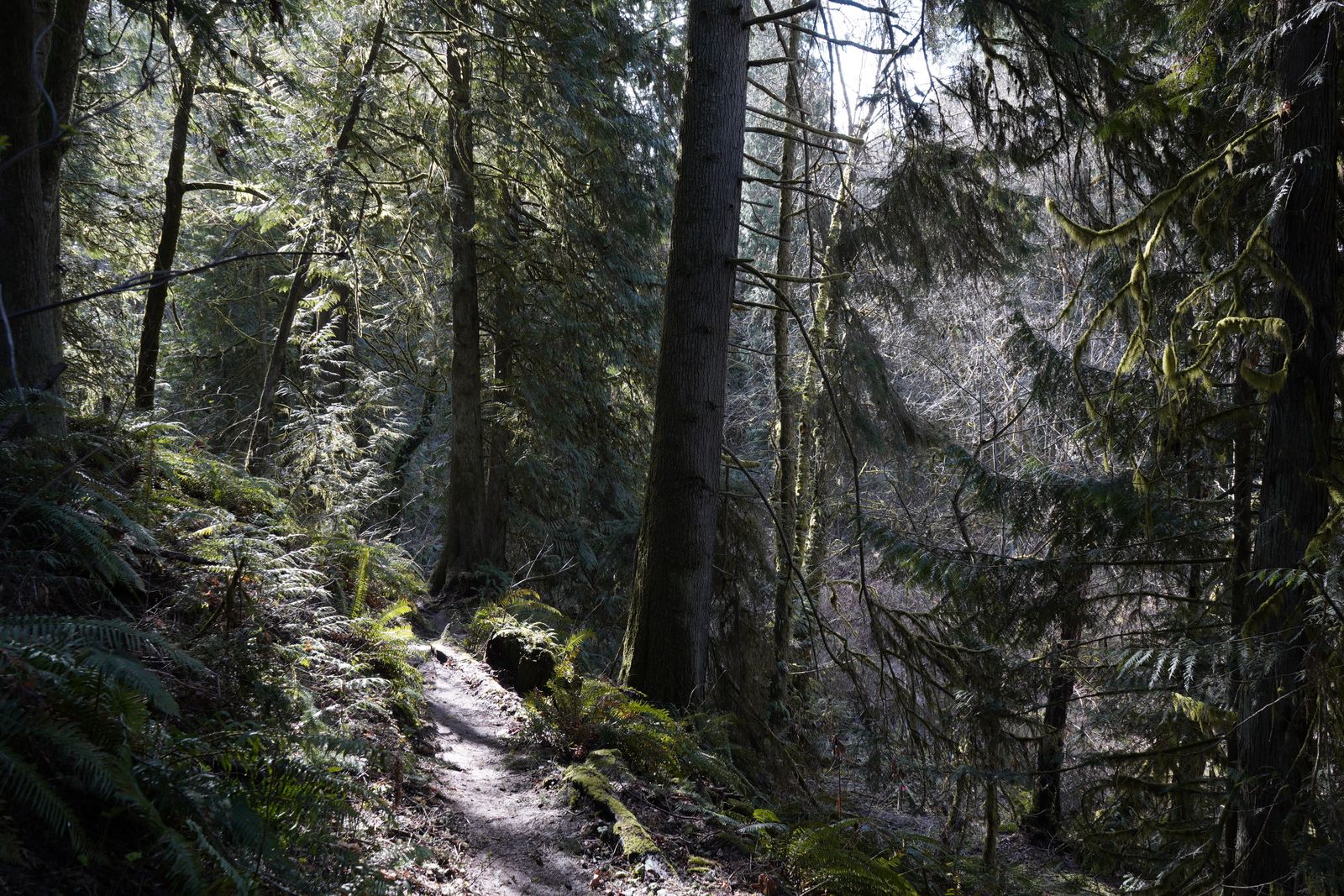
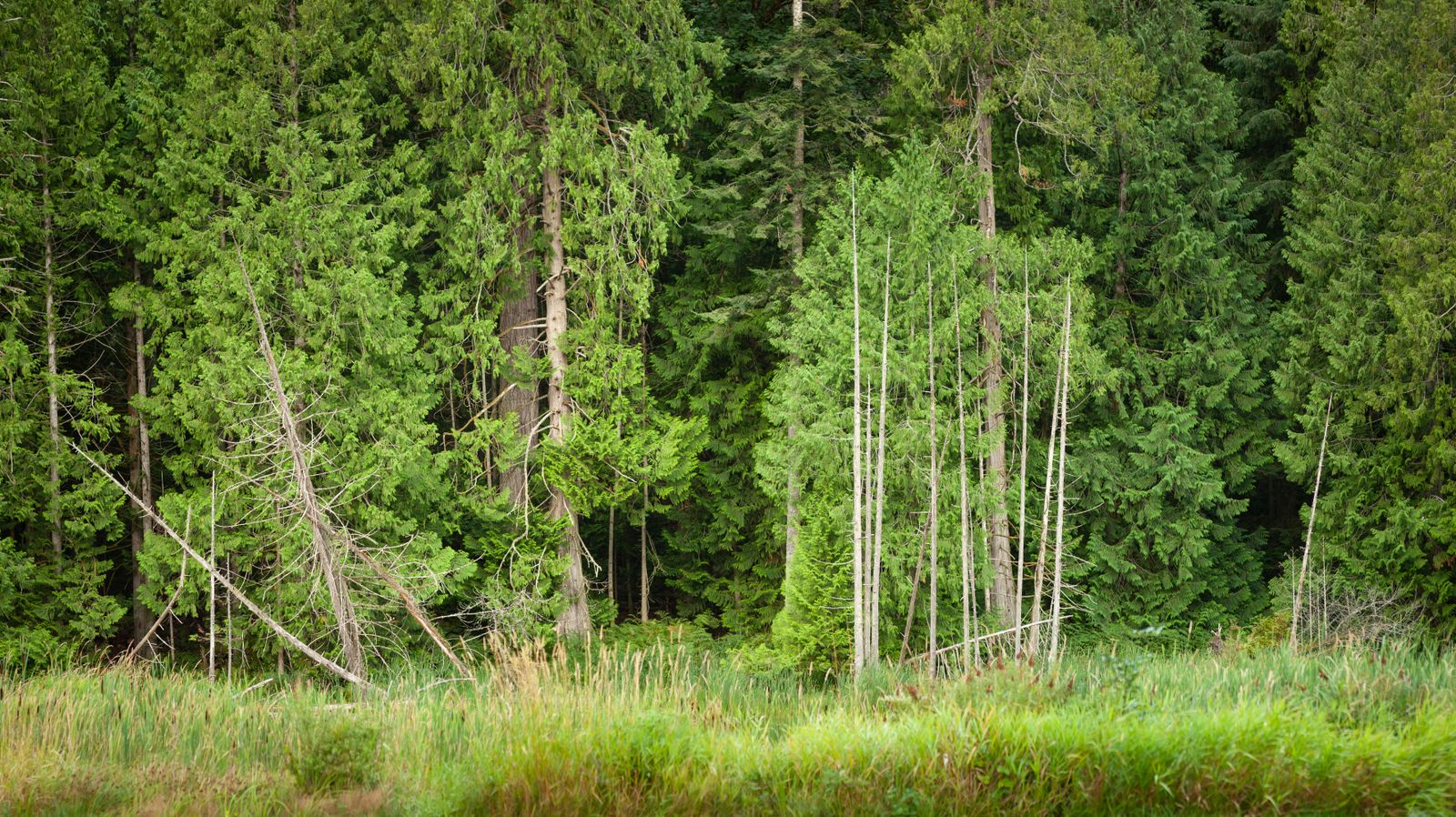
Eastern hemlocks are the quiet backbone of Southern Appalachian coves. They keep creeks cool enough for native brook trout, hold stream banks together with dense roots, and give year-round shade and privacy to thousands of homes around Asheville.
Since hemlock woolly adelgid arrived in Western North Carolina in the early 2000s, a large share of untreated hemlocks in the region have died or declined badly. The good news is that the insect is very treatable on individual landscape trees, and the treatment is far less expensive than removing a dead 80 foot tree next to your house.
How to tell if your hemlock is infested
Adelgids are tiny, aphid-like insects that feed at the base of needles. You rarely see the insect itself. What you see is the protective wool it produces, which is easiest to spot from late fall through early spring.
- White, cottony tufts the size of a pencil tip at the base of needles on the underside of twigs
- Graying or thinning foliage, starting in the lower crown
- Few or no new shoots in spring
- Needles dropping and twigs dying back from the tips
When treatment still works
Systemic treatments move through the tree's vascular system, so the tree needs enough healthy canopy to take the product up and carry it to the feeding insects. As a rule of thumb, hemlocks that still hold at least half of their foliage respond well. Trees below about 30 percent live crown are much less likely to recover.
That is why timing matters. A tree that looks a little thin this year may be past saving in three years. If you have hemlocks and have not looked closely at their twigs lately, now is a good time.
Treated hemlocks with half their canopy often push visible new growth by the second spring.
What treatment looks like
For most landscape hemlocks we use one of two systemic insecticides applied either as a soil injection close to the trunk or as a bark spray on the lower trunk. Both methods keep product inside the tree rather than drifting in the air. Near streams we use bark applications and follow label buffer distances to protect aquatic life.
Dosage is based on trunk diameter measured at 4.5 feet above ground. One product works quickly for trees in visible decline, while the other lasts longer and suits trees that are still in good health. Many homeowners benefit from a combination.
How long protection lasts
Depending on the product and the size of the tree, a single treatment typically protects for four to seven years. We monitor treated trees annually, because reinfestation from untreated neighbors is common in our coves.
Biological control is also part of the long-term picture. Predatory beetles released by researchers across Western North Carolina are slowly establishing, and many land managers combine chemical protection for key trees with biological control on larger tracts.
What it costs
Treatment for an average residential hemlock between 12 and 24 inches in diameter usually runs between $95 and $240 per tree, with multi-tree discounts for properties with a dozen or more. Compared with a technical removal of a dead hemlock near a house, which can easily cost several thousand dollars, treatment is one of the best values in tree care.
If you are not sure whether your trees are infested or how much canopy they have left, book a plant health visit. We will inspect each hemlock, estimate live crown and give you a treatment plan in writing.
About the author. Ines Carvalho is part of the arborist team at Canopy & Crown Arborists in Asheville, NC.
Meet the team